No Location


© Toke 2025

For Consumers

For Business
Resources
No Location
© Toke 2025
For Consumers
For Business
Resources


Beta-caryophyllene (β-caryophyllene) is a bicyclic sesquiterpene - a larger, more complex molecule than simpler monoterpenes, which gives it a more persistent and sophisticated aromatic profile. In nature, it's a major constituent of black pepper, cloves, hops, rosemary, and copaiba, and is closely related to compounds such as caryophyllene oxide and trans-caryophyllene.
Its aroma is immediately distinctive: a strong, peppery spice balanced by woody undertones and a subtle sweetness. This combination of "sweet, wood, and spice" makes it one of the most recognisable scents in plant science, contributing to the sensory identity of many botanical extracts and cannabis cultivars.
Did you know?
Beta-caryophyllene is currently the only known terpene that acts as a CB2 receptor agonist, interacting with the endocannabinoid system in a manner similar to cannabinoids. Toke always points you to what the data actually says, not the hype.
The therapeutic profile of β-caryophyllene is distinguished by its singular ability to act as a CB2-agonist. Research suggests it plays a significant role in modulating the body's internal balance. Here's a plain-language overview of what some studies have explored:
Other studied attributes include immunomodulatory effects, potential anti-tumor and cytostatic properties, and a "re-epithelizing" ability to support tissue repair.
Classified as a bicyclic sesquiterpene, β-caryophyllene's larger molecular structure makes it more complex than monoterpenes like α-pinene. This complexity contributes to a more persistent and layered aromatic profile. The "sweet, wood, and spice" signature that makes it so recognisable across botanical extracts and cannabis cultivars.
Its close relatives, caryophyllene oxide and trans-caryophyllene, often appear alongside it in essential oils, adding further depth to its aromatic and therapeutic profile.
Because of its broad therapeutic reach, β-caryophyllene is often utilised to support a wide variety of lifestyle and wellness needs.
Its anti-inflammatory and anti-arthritic associations make it a frequent subject of interest for those navigating chronic pain conditions, including rheumatoid and osteoarthritis, lupus, and fibrosis. Its potential impact on the digestive tract may offer support for those dealing with Crohn's disease, Ulcerative Colitis, and other forms of Inflammatory Bowel Disease (IBD).
In terms of mental wellness, its status as a CB2-agonist makes it a popular choice for managing Generalised Anxiety Disorder (GAD) and supporting those dealing with alcohol or chemical dependency. Research has also explored its potential role in addressing metabolic factors including obesity and hypoglycaemic conditions.
Safety & Approach
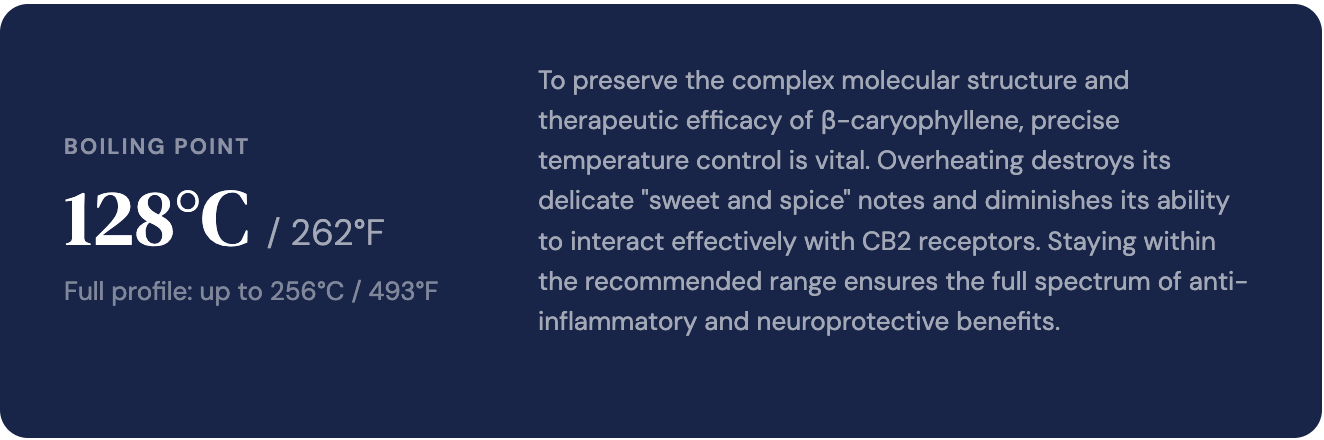
Beta-caryophyllene is generally considered safe for consumption and topical use; however, its potent interaction with the endocannabinoid system means individual experiences may vary. Toke recommends a safety-first approach, start with lower amounts to observe how your physiology responds to its calming and analgesic effects. Ensuring product purity is essential to avoid unnecessary irritants.
Beta-caryophyllene is a dominant force in the aromatic and functional profiles of many popular cannabis varieties, including Girl Scout Cookies. It provides the spicy, woody notes characteristic of these cultivars, and its unique CB2-mediated benefits make it particularly relevant for consumers seeking relaxation without heavy sedation.
More strain-specific data, including full terpene breakdowns and verified reviews, is available on the Toke platform.




A vetted, age-gated space for growers, patients and enthusiasts. Share reviews, ask doctors questions, log activity and find your people.
Join Free Today
Age-verified feeds, tailored to your legal market
Verified reviews from real customers.
Moderated community threads that are clear, safe and stigma-free
Track your experiences and connect with like-minded consumers


